Cenote Diving Cancún — 2 Dives All-Inclusive
$240.00 USD
Two guided cenote dives from Cancún, all-inclusive at $240 USD — equipment, wetsuit, hotel transportation, park fees and SSI certified guide. Crystal freshwater visibility, ancient formations and the halocline. Cenote Manatí is open to Try Scuba graduates; other cenotes require OWD certification.


Credit subject to approval.
Any Questions? Check our Help.
Description
Cenote Diving from Cancún — Two Guided Dives in the Yucatán Underground
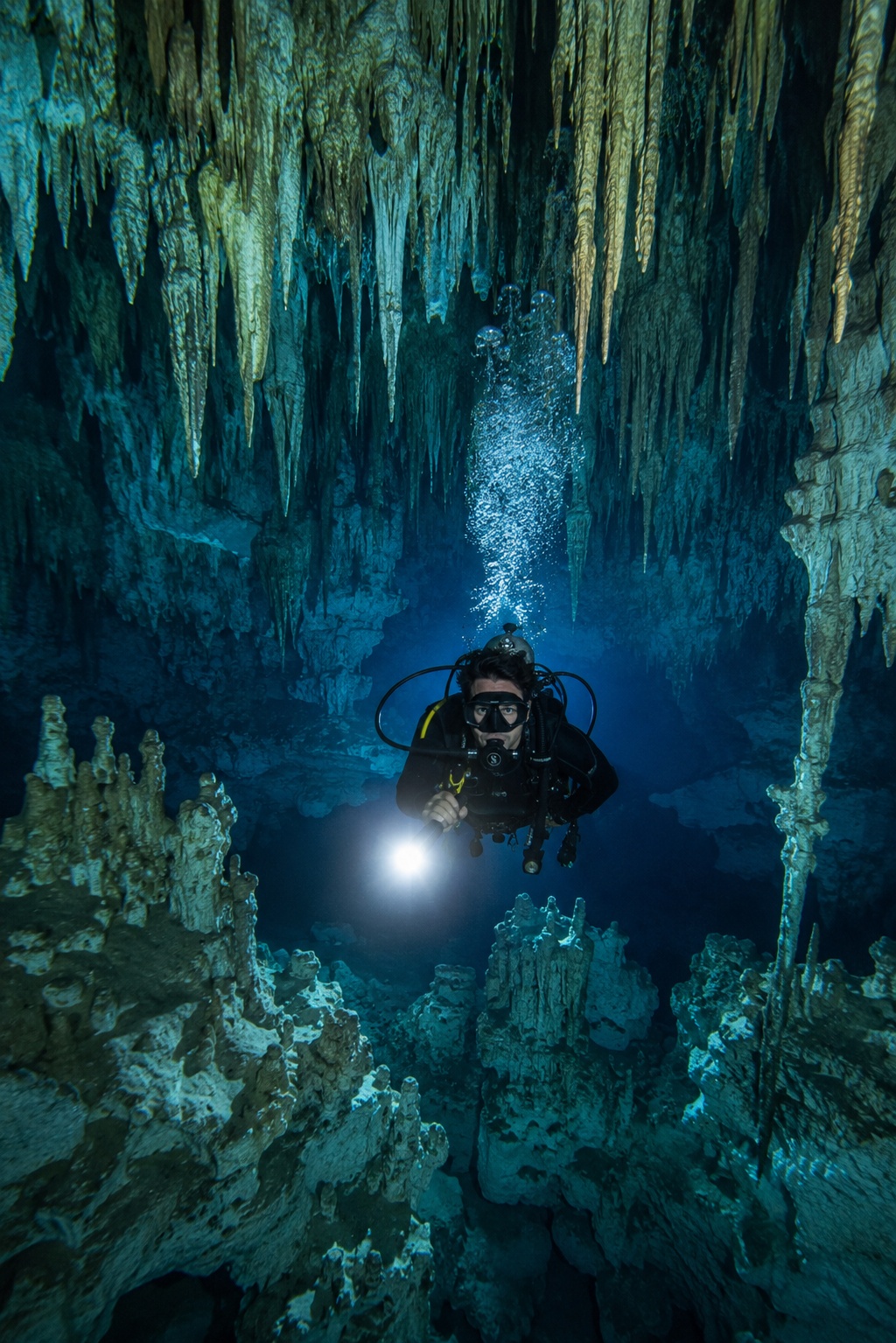
The Yucatán Peninsula sits on the world’s largest underground river system. Beneath the jungle floor, thousands of years of rainfall have carved a network of flooded limestone caverns — the cenotes — where the water is filtered so completely that horizontal visibility can reach 100 meters. This is freshwater diving in an environment that exists nowhere else on the planet: ancient stalactites, submerged rock formations, and the halocline, the visible layer where fresh and saltwater meet and bend the light around you.
Vision Oceanos runs this as a small-group experience from Cancún, with hotel pickup, a certified SSI guide, and two dives across selected cenotes chosen for the conditions and the experience level of the group.
What’s Included
- 2 guided cenote dives with an SSI certified guide
- Full scuba equipment — BCD, regulator, mask, fins
- Wetsuit — cenote water sits around 24°C / 75°F year-round
- Tanks and weights
- Round-trip transportation from your Cancún Hotel Zone hotel
- Cenote park entry fees
- Drinking water throughout the tour
No hidden costs. The $240 USD price is all-inclusive.
Tour Schedule
- 7:00 AM — Pickup from your hotel in the Cancún Hotel Zone
- 8:00 AM — Arrival at the first cenote, equipment fitting and dive briefing
- 8:30 AM — Dive 1, 45 to 55 minutes
- 10:00 AM — Surface interval and transfer to the second cenote
- 10:30 AM — Dive 2, 45 to 55 minutes at a different formation or depth
- 12:30 PM — Return drive to Cancún, back by early afternoon
Approximately 5 hours door to door. We confirm your exact pickup time 24 hours in advance.
Requirements
- Cenote Manatí: Try Scuba graduates · Other cenotes: Open Water Diver or equivalent, any agency
- Minimum 2 divers per booking
- These are cavern dives within the daylight zone — no cave certification required
Before You Fly
Cenote dives are shallow, but standard dive safety applies: allow a minimum 12-hour surface interval before flying.
What Makes Cenote Diving Different
There is no current, no swell, and almost no marine life. What you get instead is pure geology and light — formations tens of thousands of years old, some of which stood above water during the last ice age. For divers who have already seen the reef, the cenotes are usually the dive they remember.